

Can I be real with you for a second?
I'm 55. And for the last four years I stopped recognizing myself in the morning mirror.
Not in a dramatic way. Just — that's not what I look like. Or it's not what I used to look like. The eye bags. The puffiness. The general vibe of a woman whose body had quietly stopped cooperating somewhere around 51 and never came back.
I'd catch a glimpse and immediately look away. We are not doing this right now.
I was sleeping eight hours a night, by the way. Eight hours. And waking up looking and feeling like I'd made some very questionable decisions the night before. My big decision was going to bed at 10pm like a responsible adult.
Some mornings I genuinely thought — a few more nights of this will kill me. Not literally. But that bone-deep feeling of never being restored. Of running on empty so long you forget what full feels like.
I blamed everything. Perimenopause. Stress. Getting older. I bought the eye creams. I cut caffeine after noon like some kind of monk. I got a $90 magnesium powder because a podcast said so. I tried the melatonin gummies, the sleepy tea, a brief and embarrassing flirtation with THC gummies that I will tell you about later.
Nothing worked. And I mean nothing.
The thing that finally broke me was a Tuesday morning in February. I'd slept eight full hours. I remember because I'd been tracking it — eight hours, no interruptions, responsible adult. I got up, walked to the bathroom, looked in the mirror and genuinely didn't recognize the person looking back. Not in a metaphorical way. I just stood there for a second thinking — when did this happen. When did I stop looking like myself.
I sat down on the edge of the tub and cried for about four minutes. Then I got up and googled "why do I wake up exhausted after 8 hours sleep" because I needed there to be an answer that wasn't just this is who you are now.
That's when I found out about recovery tracking. A friend had mentioned a Whoop band months earlier and I'd filed it away as something for people who do triathlons. That morning I ordered one.
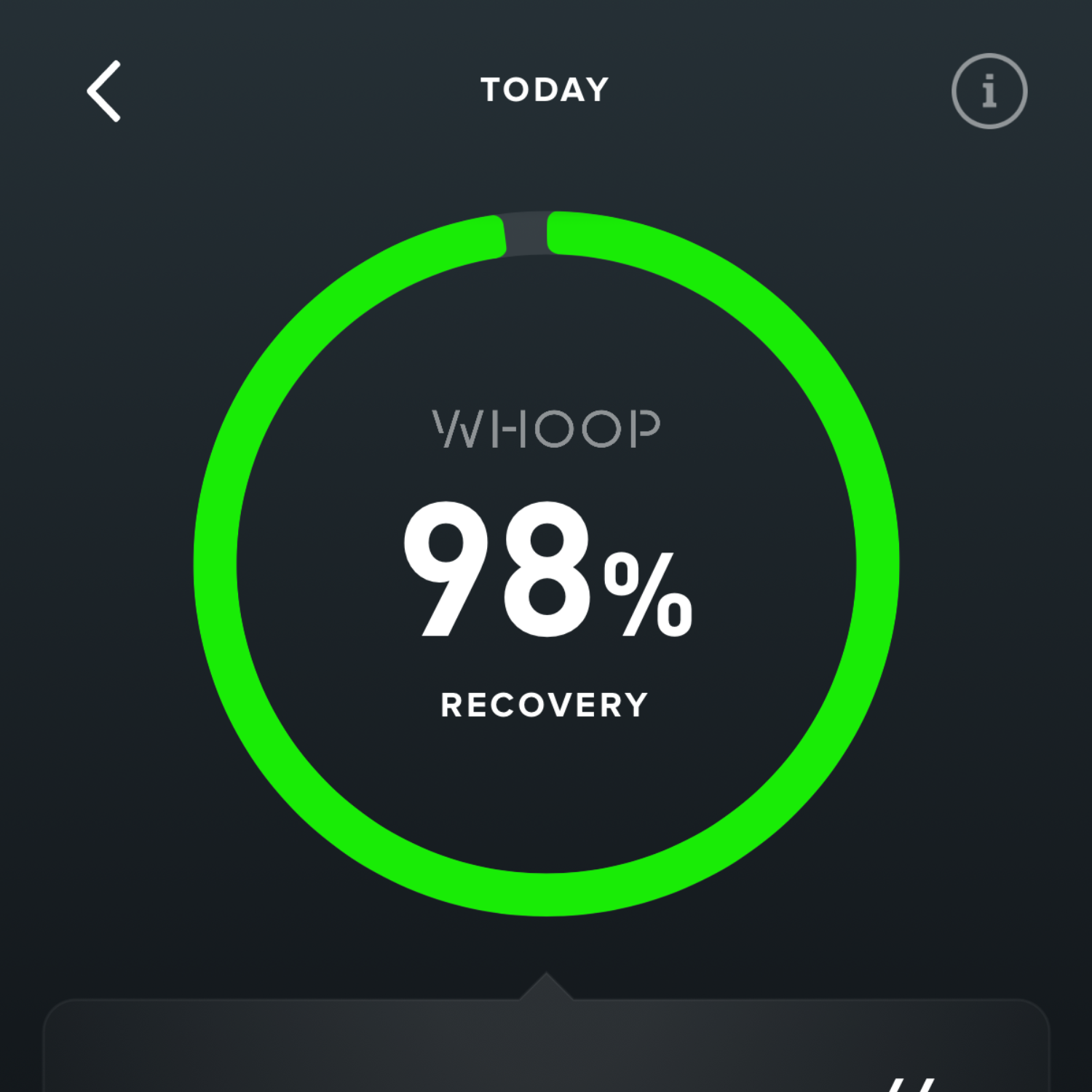
Opened the app the morning after what I thought was a completely normal night.
I had been walking around for months running on fumes and had absolutely no idea.
That's when I finally got it. I wasn't sleep deprived. I was unrecovered. Two very different things.
Here's what nobody told me. There are different stages of sleep:
If you're not consistently reaching those stages, it doesn't matter how long you're in bed. You can be unconscious for eight hours and wake up completely unrecovered. That's the difference between sedation and restoration. Once I understood that, everything I'd been doing made perfect sense — as a list of things that were never built for recovery in the first place.
I tested over 20 solutions. Here's everything, ranked honestly.
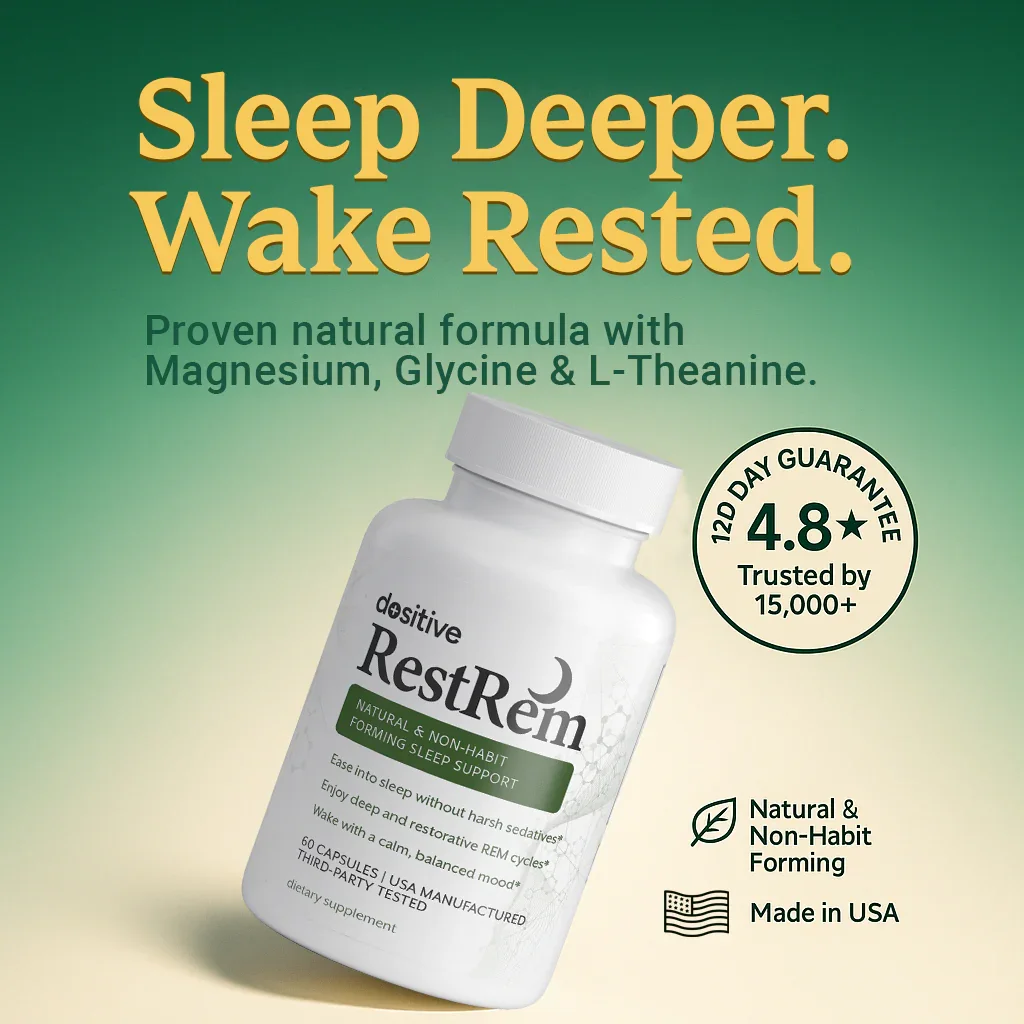
After everything I'd already tried, I was fully ready to be let down again. I almost didn't order it.
I remember sitting on the edge of my bed one night at 2am — wide awake, heart pounding over nothing, exhausted in a way that sleep wasn't fixing anymore — thinking: I don't know how much longer I can do this. Not a dramatic thought. Just a quiet, tired one. This is just my life now. This is just who I am. A woman who wakes up at 2am and lies there doing a full audit of everything until her alarm goes off.
But here's what made me do it anyway. Every single thing I'd tried up to this point had one job: knock me out. Melatonin. Wine. The prescription. The THC phase. All sedation, different packaging. RestRem was the first thing I found that wasn't trying to do that. Instead of forcing your body offline, it works with the signals your nervous system already uses to wind down — so you can actually reach the deep and REM stages on your own. That distinction matters more than I realized.
Three ingredients. That's it.
Magnesium is basically the off switch for your nervous system, and most of us are chronically low on it. Stress burns through it. A glass of wine burns through it. Just being a woman over 40 apparently burns through it. When your levels are low there's this constant low-grade hum of tension — you're tired but your body won't fully let go. You lie there. You half-sleep. You wake up at 3am convinced you forgot something important. This is what finally quieted it for me.
I know, it sounds like I'm about to tell you to drink chamomile tea and light a candle. It's actually from chamomile but at a dose that does something real. It activates the part of your brain that signals genuine calm — not drowsy, actually calm. The difference is that you wake up clear. Not foggy, not groggy, not needing twenty minutes and two coffees to form a sentence. Clear. Because your brain actually rested instead of just getting suppressed.
This is the one that solved my 3am problem. Even on nights I fell asleep fine, I'd surface around 2 or 3am and that was it — brain fully online, heart slightly pounding, lying there doing mental gymnastics until my alarm went off. L-Theanine keeps your stress response quiet through the night so once you're in deep sleep, you stay there. The 3am wake-up just... stopped.
First night I took it I set zero expectations. I'd been disappointed too many times.
About twenty minutes in, this tight wired feeling in my chest — one I'd had so long I genuinely stopped registering it as abnormal — just went quiet. Not in a drugged, fuzzy way. In a oh. so this is what actually relaxed feels like way. Like my body finally exhaled.
I fell asleep.
Woke up before my alarm. Grabbed my Whoop.
Four years. That took four years to get back.
- That wired chest feeling fades within about 20 minutes — first night, you'll feel it
- 3am wake-ups stop within the first week for most women
- Wake up actually clear — not survive-until-coffee clear, actually clear
- No melatonin — no nightmares, no dependency, no making the underlying issue worse
- Eye bags and bloating improve because your body is finally recovering overnight
- 120-day Sleep On It guarantee — four full months, full refund, zero questions asked
- Only available on their website, not in stores
- Takes consistent use — this isn't a one-night fix and it's not trying to be
Bottom line: It's not a sedative. It doesn't knock you out. It just finally lets your body do what it's been trying to do every single night.
Four months. I was on these for four months feeling extremely responsible about it.
Here is how it actually went. Week one, the 5mg worked okay-ish. Week three, not so much — so I bumped to 10mg because obviously more is better. By month two I was taking double the original dose, falling asleep fine, and waking up with dark circles so bad I looked like I hadn't slept in a week. Because I basically hadn't. Not really.
Melatonin tells your brain it's nighttime — but it doesn't necessarily support deep or REM sleep. That's the entire job description, and recovery isn't in it. So you're unconscious — technically — but your recovery scores are tanking and your face is showing you exactly what's happening. I kept upping the dose chasing a result that melatonin was never designed to deliver. The nightmares by month two were genuinely unhinged. Known side effect. Not just me.
Tried these for a week. Forces your brain offline. Eight hours later you reboot.
But your body didn't do anything while the lights were out. No repair, no reset, no recovery. My Whoop scores were somehow worse on these than off them. I didn't think that was possible.
The morning fog isn't grogginess — it's your body filing a complaint about the shift that didn't happen.
Said with love and mild personal shame.
I was having a glass every single night. My wind-down, my reward. I still drink wine — I'm not a monster — but I was using it to sleep and it was destroying my sleep.
Here is something I did not know until my Whoop showed me in the most humbling way possible: just two glasses puts your body into high sleep stress for basically the entire night. Heart rate elevated, recovery tanked, body never gets out of stress mode long enough to actually restore itself. I thought I was winding down. My body was running threat protocols until 6am.
That 2am wake-up with your heart inexplicably pounding? Your body processing the alcohol and stress hormones spiking to compensate. Every single time. And the second half of the night — where deep recovery actually happens — gets completely wiped. You wake up puffier, foggier, and more exhausted than when you went to bed.
I cut back to a couple nights a week and my recovery scores went up almost immediately. Did not want that to be true. Felt it anyway.
I love my book club ladies. But someone has to say it.
The morning after my first THC gummy I looked in the mirror and had full raccoon eyes — dark circles, puffiness, the whole situation. I genuinely looked worse than before I started. And I felt like I'd been hit by a bus. Not tired. Hit. By. A. Bus. Like my body had worked extremely hard all night doing absolutely nothing useful.
Because that's basically what happened. THC sedates you deeply but doesn't support the recovery stages your brain actually needs. You're out cold, but your body never gets to do its repair work. Nine hours of sleep, zero recovery, raccoon situation every single morning.
A few weeks in the brain fog is real — not tiredness, actual fog. A friend went through two months of this before she figured out what was causing it. It was the gummies her book club swore by.
How I Actually Started Recovering
Six weeks of RestRem later.
Recovery scores living in the 65-99% range. The 2am wake-ups gone. The lying-there-auditing-everything gone.
Eye bags basically back to normal — some mornings after a long day they're still there, and that's fine, that's life. But most mornings I wake up and I look like myself. Bloating noticeably down. Mood steadier.
I walked to the bathroom mirror last week without thinking twice about it. First time in four years I did that without bracing first.
I don't feel like a woman managing her own decline anymore.
I feel like myself.
That's what recovery looks like.
What Other Women Are Saying
So Here Is Where I Land
Sleep isn't about how long you're unconscious.
It's about whether your body actually restored itself overnight.
If you're waking up puffy, foggy, irritable, or just not yourself — that's not a you problem. That's a recovery problem.
RestRem is the only thing I found that actually supports real overnight recovery — the kind you can see in the mirror.
Try RestRem Risk-Free
120 days. Every dollar back if it doesn't work. No questions asked.